Affiliate Marketing vs Dropshipping: Which Online Business Is Better for Beginners?
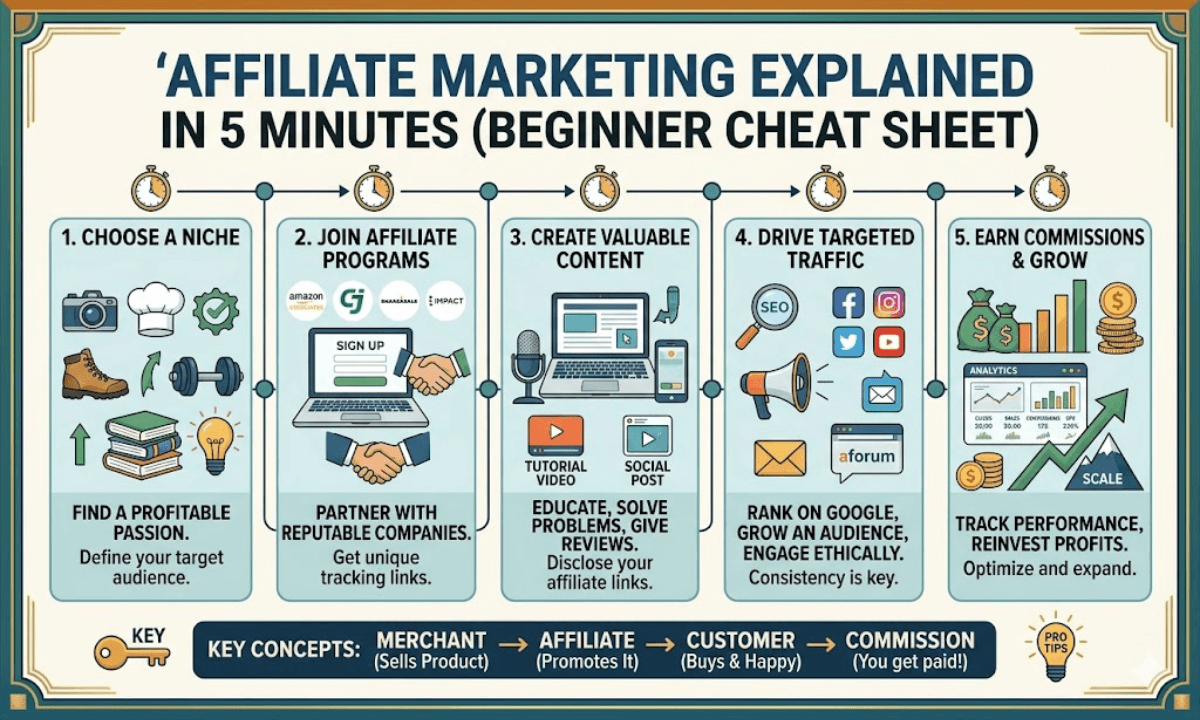
Introduction Starting an online business has never been more popular. Two of the most searched and beginner-friendly models today are affiliate marketing and dropshipping. Both allow you to make money online without creating your own products—but they work very differently. So the big question is: Affiliate marketing vs dropshipping — which online business is better for beginners? In this in-depth guide, we’ll compare both models step by step, covering costs, risk, workload, scalability, and long-term potential, so you can choose the best option for your goals. Featured Snippet Block #1 Affiliate Marketing vs Dropshipping: What’s the Difference?Affiliate marketing and dropshipping are online business models that let you earn money without creating products. Affiliate marketing earns commissions by promoting other companies’ products, while dropshipping sells physical products through an online store where suppliers handle shipping. What Is Affiliate Marketing? What Is Affiliate Marketing?Affiliate marketing is an online business model where you earn a commission by promoting another company’s product or service. When someone clicks your affiliate link and makes a purchase, you get paid. You don’t handle products, payments, or customer support. Affiliate marketing is beginner-friendly because it requires low startup costs and mostly focuses on creating helpful content for your audience. What Is Dropshipping? What Is Dropshipping?Dropshipping is an eCommerce business model where you sell physical products through an online store without holding inventory. When a customer orders, the supplier ships the product directly to them, and you keep the profit. Dropshipping requires store setup, product management, customer service, and sometimes paid advertising to generate sales. Affiliate Marketing vs Dropshipping: Quick Overview Feature Affiliate Marketing Dropshipping Startup Cost Very low Medium Inventory None None Customer Support Not required Required Risk Level Low Higher Best for Beginners Yes Depends Startup Costs: Which Is Cheaper? Affiliate Marketing Costs Affiliate marketing has very low startup costs. You mainly need: You can start with almost no money if you use free platforms. Dropshipping Costs Dropshipping usually requires: Winner: Affiliate marketing (lower financial risk) Difficulty Level for Beginners Affiliate Marketing Affiliate marketing is easier for beginners because: Dropshipping Dropshipping is more complex: Winner: Affiliate marketing (beginner-friendly) Traffic and Marketing Requirements Affiliate Marketing Traffic Affiliate marketing works best with: You can grow traffic organically over time. Dropshipping Traffic Dropshipping usually depends on: Without ads, growth is often slower. Winner: Affiliate marketing (free traffic potential) Profit Potential Comparison Affiliate Marketing Profits Affiliate marketing profits depend on: Digital products and recurring commissions increase long-term income potential. Dropshipping Profits Dropshipping profits depend on: Margins can be high, but ads and refunds may reduce profits quickly. Winner: Tie (affiliate marketing is more stable long-term) Risk and Stress Level Affiliate Marketing Risk Affiliate marketing has: Your main risk is time investment. Dropshipping Risk Dropshipping comes with: Winner: Affiliate marketing (low stress) Long-Term Sustainability Affiliate Marketing Long-Term Affiliate marketing content can: Dropshipping Long-Term Dropshipping requires: Winner: Affiliate marketing (long-term stability) Featured Snippet Block #5 (Before Conclusion) Which Online Business Is Better for Beginners?Affiliate marketing is better for beginners because it has low startup costs, no customer support, and allows you to earn passive income through SEO and content. Dropshipping can be profitable but requires higher risk and active management. Optional FAQ Snippet (End of Article) Is affiliate marketing better than dropshipping?Affiliate marketing is better for beginners because it requires less money, no inventory, and no customer service, making it easier to start and scale. Can beginners do dropshipping?Yes, beginners can do dropshipping, but it requires managing suppliers, customer support, and often paid ads, which can be challenging at the start. Final Verdict If your goal is a low-risk, beginner-friendly, long-term online business, affiliate marketing is the better choice. If you want faster results and can manage ads and customer service, dropshipping may work—but it comes with higher stress and risk. Affiliate Marketing vs Dropshipping: Which Online Business Is Better? Starting an online business has never been more popular. Two of the most searched and beginner-friendly business models today are affiliate marketing and dropshipping. Both allow you to make money online without creating your own products, but they work very differently. So the big question is: Affiliate marketing vs dropshipping — which online business is better for beginners? In this guide, we compare both models based on cost, difficulty, risk, profit potential, and long-term sustainability to help you make the right decision. Affiliate Marketing vs Dropshipping: What’s the Difference? Affiliate marketing and dropshipping are online business models that let you earn money without creating products. Affiliate marketing earns commissions by promoting other companies’ products, while dropshipping sells physical products through an online store where suppliers handle shipping. What Is Affiliate Marketing? Affiliate marketing is an online business model where you earn a commission by promoting another company’s product or service. When someone clicks your affiliate link and makes a purchase, you get paid. You do not handle products, payments, or customer support. This model is ideal for beginners because it requires low startup costs and focuses mainly on content creation and traffic generation. What Is Dropshipping? Dropshipping is an eCommerce business model where you sell physical products through an online store without holding inventory. When a customer places an order, the supplier ships the product directly to the customer, and you keep the profit. Dropshipping requires managing an online store, handling customer support, and often using paid advertising. Affiliate Marketing vs Dropshipping: Quick Comparison Feature Affiliate Marketing Dropshipping Startup Cost Very Low Medium Inventory None None Customer Support Not Required Required Risk Level Low Higher Best for Beginners Yes Depends Startup Costs: Which Is Cheaper? Affiliate Marketing Costs Affiliate marketing has very low startup costs. You usually only need: A website or free platform Basic content tools Time and consistency You can start affiliate marketing with little to no money. Dropshipping Costs Dropshipping usually requires: Domain and hosting eCommerce platform subscription Apps and plugins Paid advertising budget Winner: Affiliate marketing (lower financial risk) Difficulty Level for Beginners Affiliate Marketing No product management No customer support Simple setup Focus on SEO and content … Read more