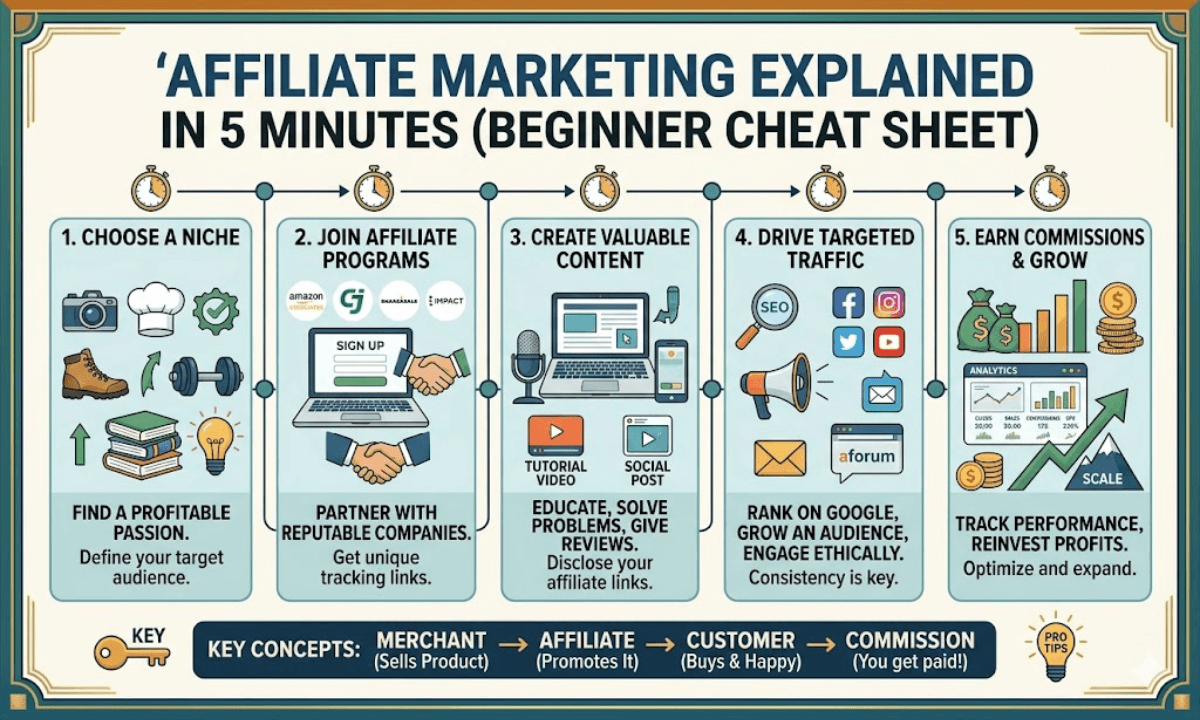
Easy Guide on How to Make Money From Social Media (2026)
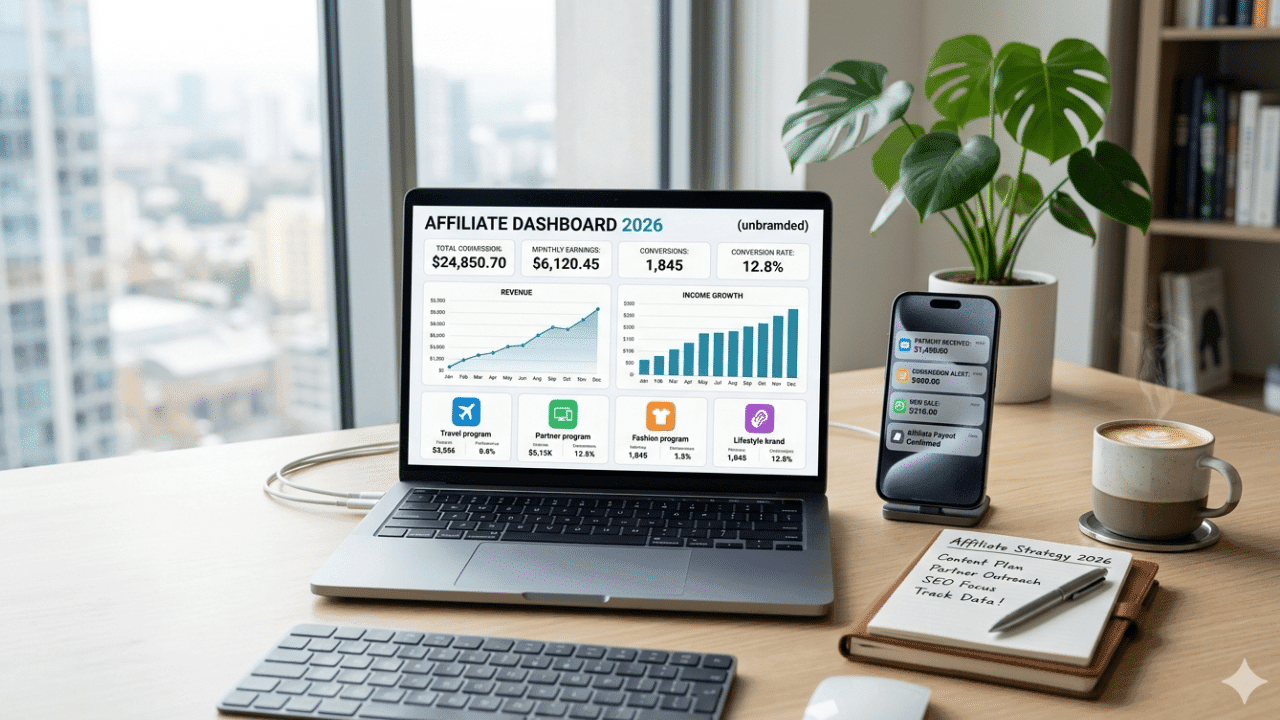
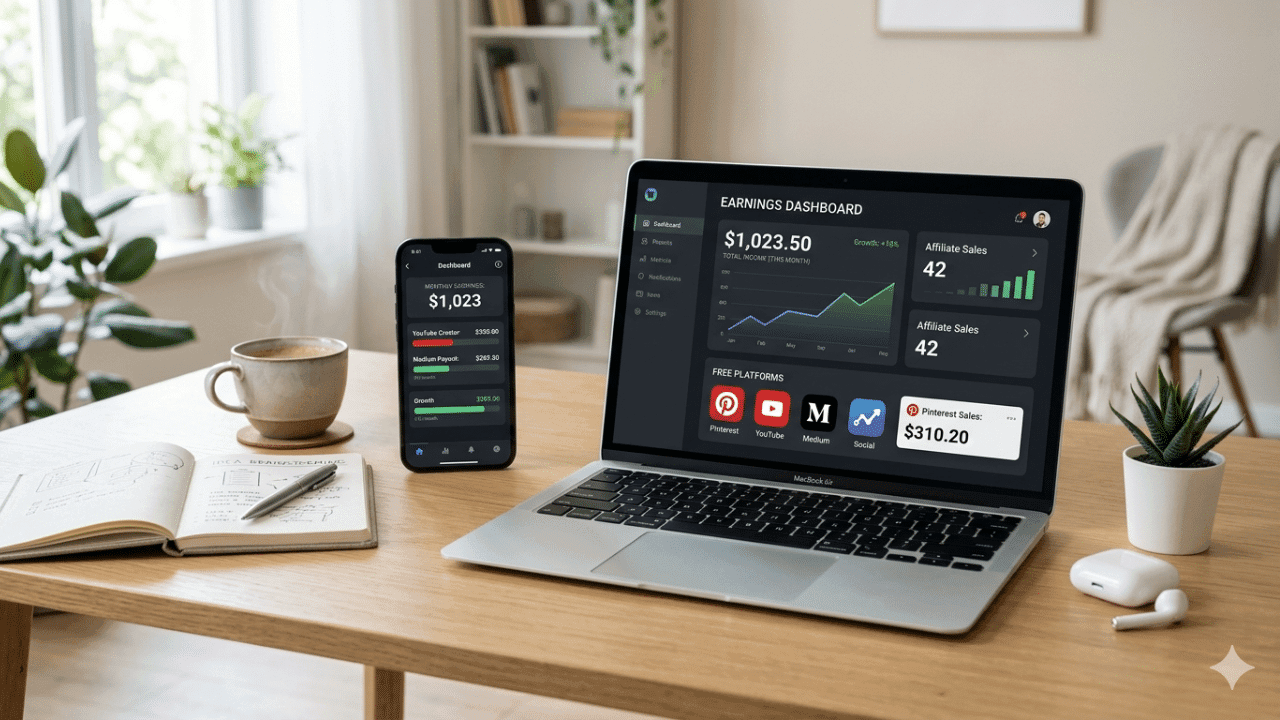
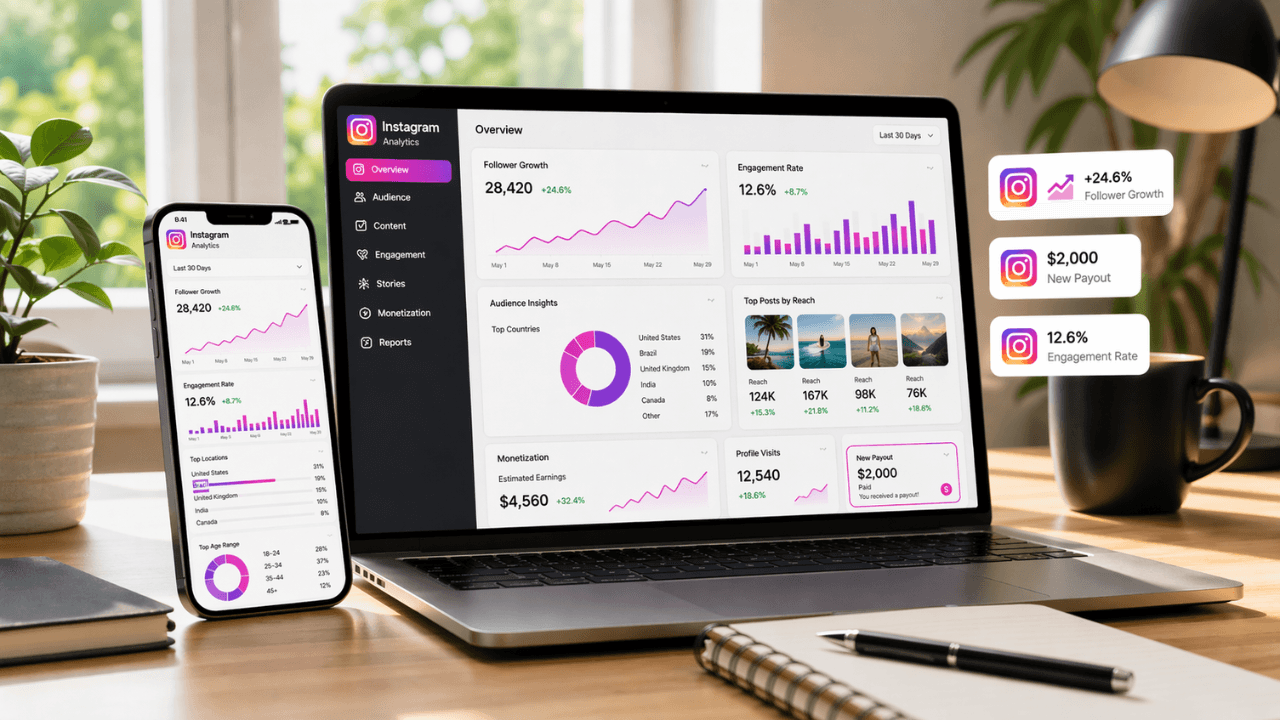
Introduction Most people who want to learn how to make money from social media start in the wrong place. They obsess over follower counts, post inconsistently, and quit before any income arrives. The truth is that social media income is real, accessible, and growing faster than ever in 2026. According to Statista, the global creator economy is projected to exceed $480 billion by the end of 2027 — and a meaningful share of that money flows directly to ordinary people, not just celebrities and influencers. You don’t need a million followers. You don’t need a film studio. You don’t even need to show your face. What you need is a clear understanding of how social media income actually works — and the patience to build a system that pays you reliably. This guide breaks it all down. By the time you finish reading, you’ll know the exact income methods that work today, which platforms suit which goals, realistic income timelines, and the practical steps to start earning your first social media dollar this month. No hype. No fake screenshots. Just honest, expert-level guidance from someone who has watched this industry evolve from the inside. The Truth About Social Media Income in 2026 The biggest misconception about social media income is that it requires fame. It doesn’t. The most profitable creators today are not the ones with the largest audiences. They are the ones with the most engaged audiences in specific niches. A creator with 8,000 highly targeted followers in personal finance regularly out-earns a generalist with 200,000 followers chasing trending topics. This shift has happened because brands and platforms now value relevance more than reach. Niche audiences convert better. They buy more. They click affiliate links more frequently. They subscribe to paid newsletters at higher rates. For beginners in 2026, this is genuinely good news. The barrier to earning meaningful social media income has dropped dramatically. The path is no longer “build a million followers, then monetize.” It’s “find a specific audience, serve them well, and the income follows.” How Social Media Income Actually Works Before diving into specific methods, it helps to understand the four main ways money flows from social media platforms to creators. 1. Direct Platform Monetization The platform itself pays you a share of the ad revenue or engagement value your content generates. YouTube’s Partner Program and TikTok’s Creator Rewards Program are the largest examples. 2. Brand Partnerships Companies pay you directly to feature their products or services in your content. This includes sponsored posts, brand deals, product placements, and ambassador programs. 3. Affiliate Marketing You recommend products or services using a unique tracking link. When a follower clicks and buys, you earn a commission — typically 5%–50% depending on the product category. 4. Your Own Products and Services You sell something you created — digital products, online courses, coaching, ebooks, templates, or physical merchandise — directly to your audience. Most successful creators use a combination of all four. Direct platform monetization provides the foundation, brand partnerships add high-value spikes, affiliate marketing creates passive income, and your own products produce the highest long-term margins. The 7 Most Proven Ways to Make Money From Social Media These are the methods that consistently work for beginners in 2026 — ordered from fastest first income to highest long-term ceiling. 1. Affiliate Marketing Through Content Affiliate marketing is the fastest way to start earning social media income without needing a massive following. You create content that genuinely helps your audience, recommend a specific product or service, and include your affiliate link in your bio or video description. The key principle: your recommendations must be authentic. The creators earning consistently from affiliate marketing are the ones who only promote products they actually use and trust. Best programs for beginners in 2026: Realistic timeline: First commissions within 4–8 weeks of consistent content creation. 2. Sponsored Posts and Brand Partnerships Brand partnerships are where creator income starts to scale meaningfully. Companies pay you directly to feature their products, share your honest review, or create custom content showcasing their service. You don’t need 100,000 followers to land your first deal. Many brands now actively prefer micro-influencers (1,000–10,000 followers) because their audiences trust them more and engagement rates are typically higher. Realistic rates in 2026: 3. Direct Platform Monetization Every major social media platform now pays creators directly based on their content’s performance. YouTube Partner Program: Eligible creators earn ad revenue once they hit 1,000 subscribers and 4,000 watch hours. YouTube Shorts has a separate monetization fund that pays creators for shorter content. TikTok Creator Rewards Program: Available once you hit 10,000 followers and 100,000 video views in the last 30 days. TikTok now pays significantly more per view than the previous Creator Fund. Instagram and Facebook: Reels Play Bonuses and various creator monetization programs are available based on country and content performance. Realistic timeline: 6–12 months for most beginners to reach platform monetization thresholds. 4. Selling Digital Products This is where serious social media income begins. Digital products — templates, ebooks, presets, courses, guides, planners, Notion dashboards — have profit margins of 90% or higher and scale infinitely. A single digital product priced at $19 sold to 100 people equals $1,900 in nearly pure profit. The creator’s only ongoing cost is the platform fee charged by Gumroad, Etsy, or similar marketplaces. Best-selling product categories in 2026: 5. Coaching and Consulting Services If you have expertise in a specific area, your audience will pay for direct access to you. Coaching offers the highest per-hour income of any social media monetization method. Even beginner creators with audiences as small as 2,000 engaged followers can charge $100–$300 per coaching call once they’ve demonstrated genuine expertise through their content. 6. Selling Your Own Online Courses Online courses combine the high margins of digital products with the credibility of a structured learning experience. Platforms like Teachable, Thinkific, and Kajabi make it straightforward to launch a course without technical skills. A creator who has spent 6–12 months building genuine … Read more